Spicy Korean Beef Bulgogi Bowls
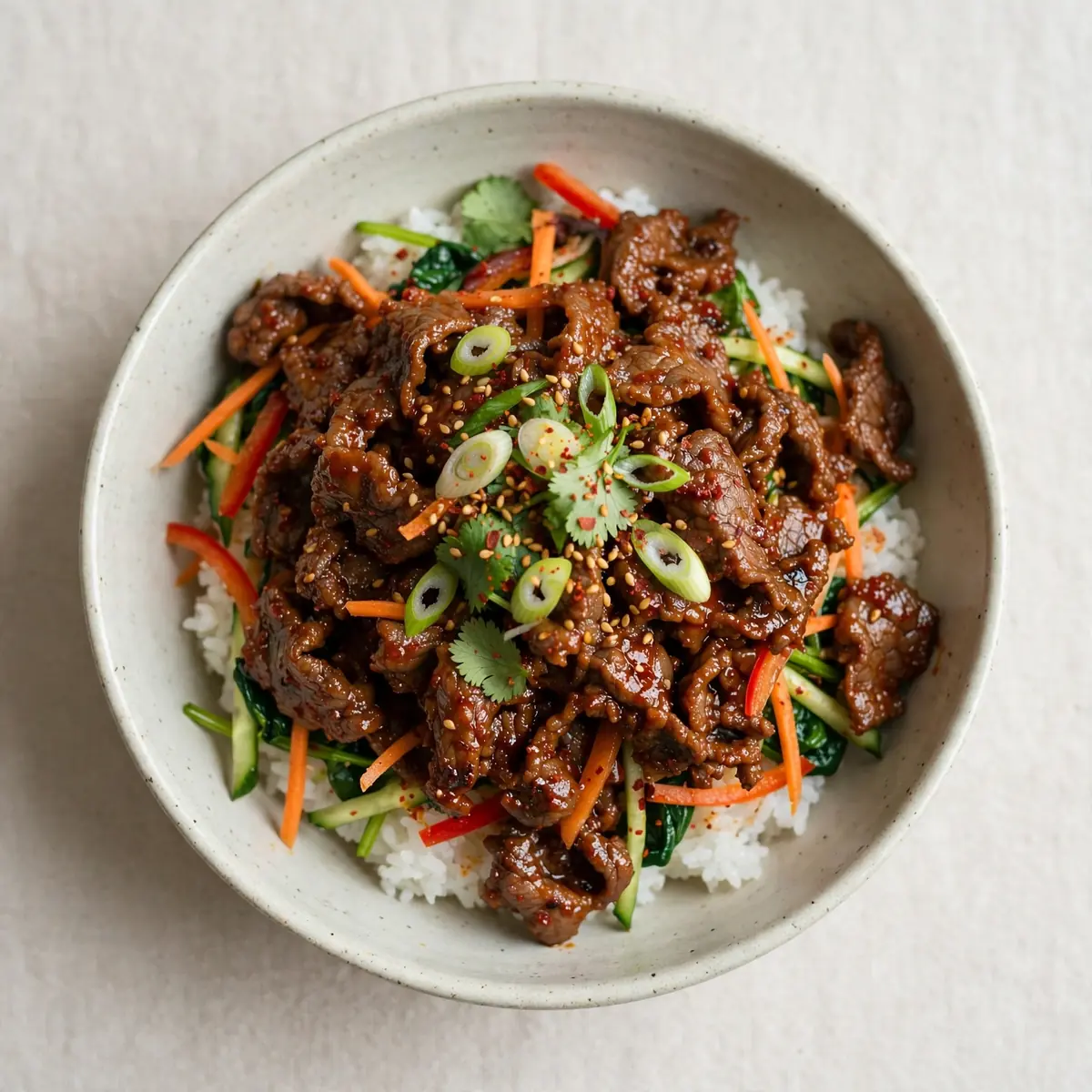
There’s a moment every Sunday afternoon when I stare into my fridge, willing the leftover bits and bobs to form a coherent meal plan for the week ahead, and that’s when this recipe saves my budget. Spicy Korean Beef Bulgogi Bowls are my secret weapon for turning a modest amount of mince into five lunches that taste like a takeaway treat, all without breaking the bank or spending hours at the stove.
Recipe Overview
- Prep Time: 15 minutes
- Cook Time: 20 minutes
- Total Time: 35 minutes
- Servings: 5 generous bowls
- Difficulty: Easy
Why You’ll Love This Spicy Korean Beef Bulgogi Bowls
- Budget-friendly batch cooking: A single pack of beef mince stretches across five servings, making this one of the most cost-effective dinners in my rotation.
- Freezer-friendly leftovers: The beef mixture freezes beautifully for up to three months, so you can cook once and eat twice.
- Customisable spice level: You control the heat, from a gentle warmth to a serious kick, depending on your gochujang tolerance.
- Quick weeknight rescue: From fridge to table in just over half an hour, this is my go-to recipe when I need something quick but impressive.
- Nutritious and balanced: Packed with protein, colourful vegetables, and rice, it’s a complete meal in one bowl.
Ingredients You’ll Need
- 500g beef mince (15-20% fat works best for flavour)
- 3 tablespoons gochujang (Korean chilli paste)
- 2 tablespoons soy sauce
- 1 tablespoon sesame oil
- 1 tablespoon brown sugar
- 4 cloves garlic, minced
- 1 thumb-sized piece of ginger, grated
- 1 large onion, thinly sliced
- 2 carrots, julienned or grated
- 1 courgette, diced
- 300g cooked jasmine or short-grain rice (about 150g uncooked)
- 3 spring onions, sliced
- 1 tablespoon sesame seeds, toasted
- Vegetable oil, for frying
Tip: For the most economical version, buy your beef mince in bulk when it’s on offer and portion it into 500g bags for the freezer. The gochujang will keep in the fridge for months, so it’s a worthwhile investment for multiple meals.
How to Make Spicy Korean Beef Bulgogi Bowls
- Prepare your sauce base: In a small bowl, whisk together the gochujang, soy sauce, sesame oil, brown sugar, minced garlic, and grated ginger until the sugar has dissolved and the mixture looks glossy and dark red. The aroma at this stage is pungent and deeply savoury, promising big flavour.
- Start the aromatics: Heat a tablespoon of vegetable oil in a large frying pan or skillet over a medium-high flame. Add the sliced onion and cook for 3-4 minutes, stirring occasionally, until the edges turn translucent and you hear a gentle sizzle. The onions should soften without browning too much.
- Brown the beef: Tip the beef mince into the pan, breaking it apart with a wooden spoon. Let it sit undisturbed for a full minute to develop a golden crust on the underside. Then stir and continue cooking for 4-5 minutes, until the meat is no longer pink and you can see small browned bits clinging to the pan. The kitchen will smell rich and meaty at this point.
- Add the vegetables: Toss in the grated carrot and diced courgette, stirring everything together. Cook for another 2 minutes until the courgette softens slightly and the carrot turns bright orange. The mixture should look vibrant and colourful.
- Pour in the sauce: Reduce the heat to medium-low and pour the prepared sauce over the beef and vegetables. Stir well to coat every piece, then let it bubble gently for 3-4 minutes. The sauce will thicken and cling to the meat, turning a deeper, richer red. You’ll know it’s ready when the liquid reduces to a sticky glaze that coats the back of a spoon.
- Toast the sesame seeds: While the beef simmers, dry-toast the sesame seeds in a small pan over a medium heat for about 1 minute, shaking frequently, until they turn golden and release a nutty smell. Be careful not to burn them.
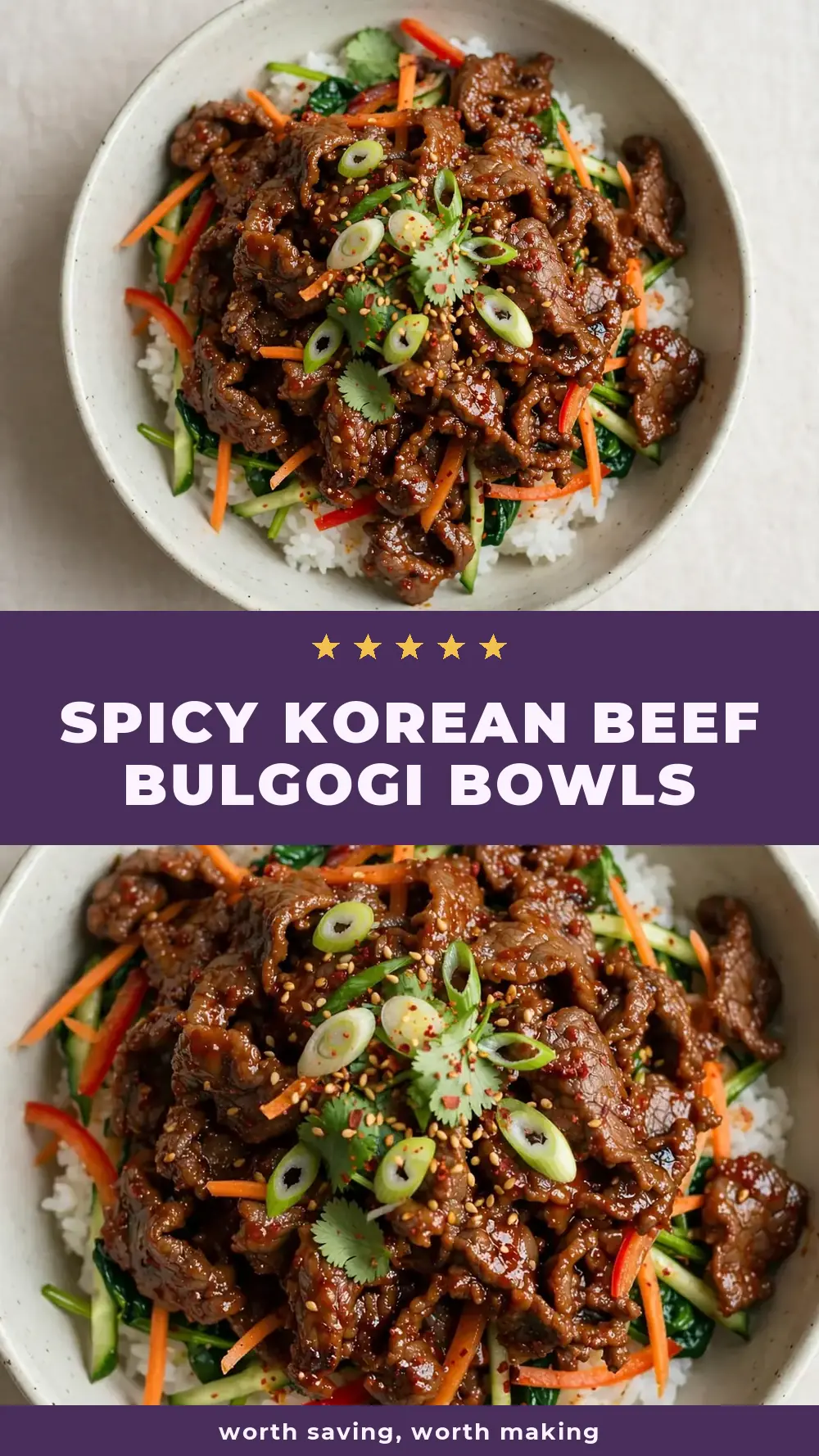
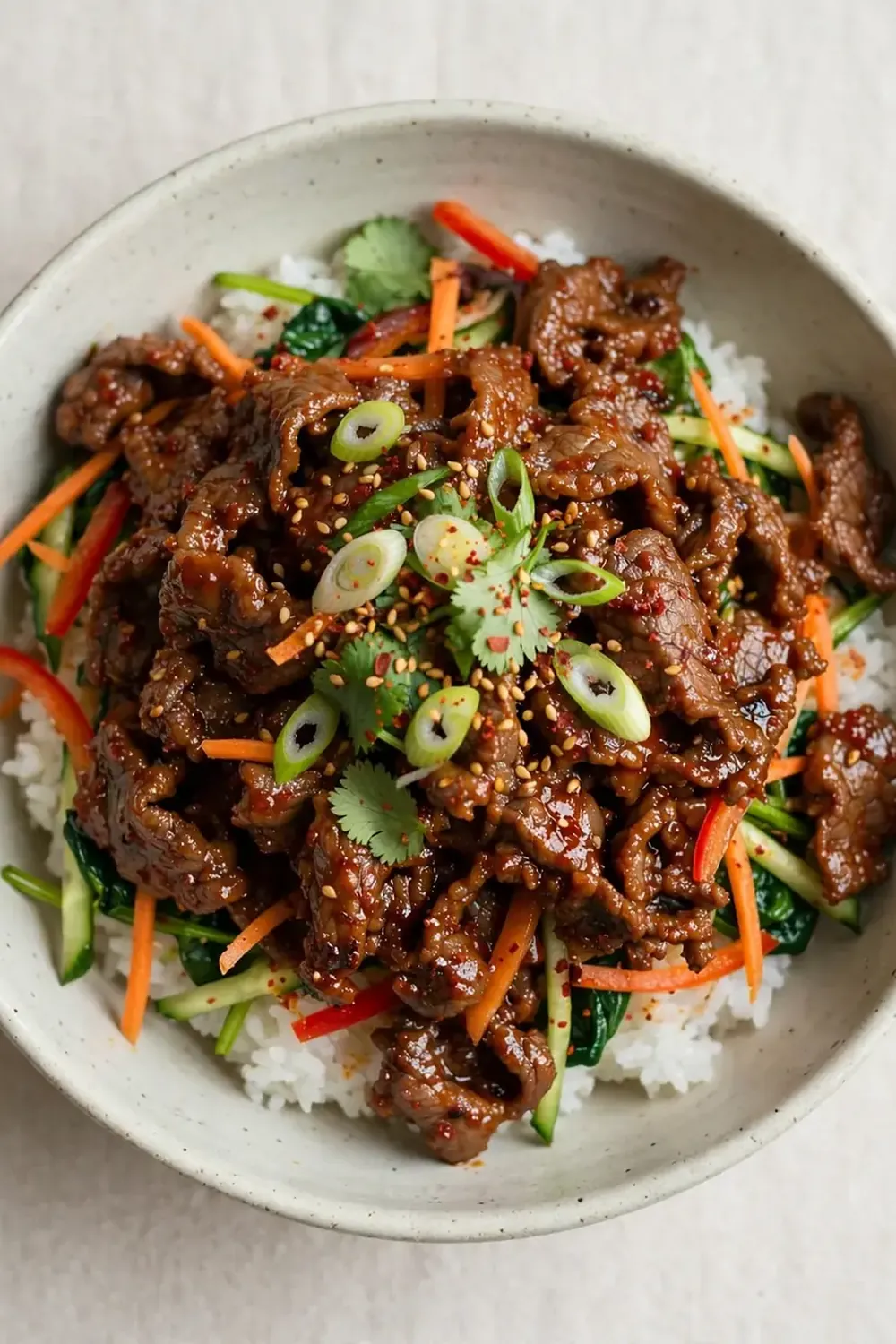
- Assemble the bowls: Divide the cooked rice among your serving bowls. Spoon the spicy beef mixture on top, then garnish with sliced spring onions and toasted sesame seeds. The contrast of colours and textures is immediately appetising.
Tips From My Kitchen
- Cook your rice a day ahead: Day-old rice holds its shape better when reheated and doesn’t turn mushy in the bowl. I cook a big batch on Sunday and store it in the fridge, which also saves time on busy weeknights. The grains stay separate and fluffy, giving a better texture to your final dish.
- Double the beef batch for the freezer: This recipe scales perfectly. I often cook 1kg of mince at once, divide the cooked beef into five portions, and freeze four for later. When I’m short on time, I just reheat a portion and cook fresh rice. The flavour actually deepens after a day or two in the fridge.
- Don’t skip the rest time: After cooking, let the beef mixture sit off the heat for 5 minutes before serving or storing. This allows the sauce to absorb fully into the meat, making it juicier and more flavourful. Friends always ask me for this recipe after trying it at dinner parties, and I credit this resting step for the intense taste.
- Adjust the heat gradually: Gochujang varies in spiciness between brands. Start with two tablespoons, taste the sauce, and add more if you want a stronger kick. Remember that the heat will mellow slightly during cooking, so a slightly aggressive raw taste is fine.
- Store components separately for meal prep: Keep the rice, beef mixture, and toppings in separate containers in the fridge. This prevents the rice from becoming soggy and the spring onions from wilting. When you’re ready to eat, reheat the beef and rice together in a microwave or pan, then add fresh toppings.
Equipment You’ll Need
- Large frying pan or skillet
- Sharp knife and cutting board
- Mixing bowls
- Wooden spoon or spatula
- Small pan for toasting sesame seeds
- Measuring spoons
- Container for storing leftovers
Common Mistakes to Avoid
- Overcrowding the pan: If you add too much beef at once, it steams rather than browns, leading to a grey, watery result. Cook in batches if your pan is small, or use a large, wide skillet to give the meat room to develop that desirable golden crust.
- Wrong temperature: Cooking the beef over too low a heat means it releases its juices and boils instead of frying. Keep the flame at medium-high for browning, then reduce to medium-low only after adding the sauce. You want a sizzle, not a simmer, during the initial browning stage.
- Skipping the rest time: Serving the beef immediately after cooking means the sauce hasn’t fully adhered to the meat. Letting it rest for five minutes allows the starches in the sauce to set, giving a thicker, glossier coating that sticks to every bite.
Delicious Variations to Try
- Spicy Version: Add one finely chopped fresh red chilli along with the garlic and ginger, or stir in a teaspoon of gochugaru (Korean chilli flakes) with the sauce for an extra layer of heat that builds as you eat.
- Vegetarian/Vegan Option: Replace the beef mince with 400g of crumbled firm tofu or a plant-based mince alternative. Cook the tofu until golden and crispy before adding the sauce. The texture is different but equally satisfying, and the sauce carries all the flavour.
- Different Protein: Swap the beef for minced chicken, turkey, or even pork-free lamb mince. Each brings its own character — chicken is lighter, while lamb adds a richer, more gamey note that pairs surprisingly well with the spicy gochujang sauce.
What to Serve With Spicy Korean Beef Bulgogi Bowls
- Quick-pickled cucumber ribbons for a fresh, tangy crunch
- A side of kimchi for authentic Korean flair
- Steamed edamame beans sprinkled with sea salt
- A simple sesame-dressed spinach salad
Still hungry for ideas? You might also love Korean Bbq Steak Rice Bowls Recipe, Ground Beef Taco Bowls With Cilantro Lime Rice from our sister kitchens.
Frequently Asked Questions
Spicy Korean Beef Bulgogi Bowls
Ingredients
Method
-
Prepare your sauce base: In a small bowl, whisk together the gochujang, soy sauce, sesame oil, brown sugar, minced garlic, and grated ginger until the sugar has dissolved and the mixture looks glossy and dark red. The aroma at this stage is pungent and deeply savoury, promising big flavour.
-
Start the aromatics: Heat a tablespoon of vegetable oil in a large frying pan or skillet over a medium-high flame. Add the sliced onion and cook for 3-4 minutes, stirring occasionally, until the edges turn translucent and you hear a gentle sizzle. The onions should soften without browning too much.
-
Brown the beef: Tip the beef mince into the pan, breaking it apart with a wooden spoon. Let it sit undisturbed for a full minute to develop a golden crust on the underside. Then stir and continue cooking for 4-5 minutes, until the meat is no longer pink and you can see small browned bits clinging to the pan. The kitchen will smell rich and meaty at this point.
-
Add the vegetables: Toss in the grated carrot and diced courgette, stirring everything together. Cook for another 2 minutes until the courgette softens slightly and the carrot turns bright orange. The mixture should look vibrant and colourful.
-
Pour in the sauce: Reduce the heat to medium-low and pour the prepared sauce over the beef and vegetables. Stir well to coat every piece, then let it bubble gently for 3-4 minutes. The sauce will thicken and cling to the meat, turning a deeper, richer red. You’ll know it’s ready when the liquid reduces to a sticky glaze that coats the back of a spoon.
-
Toast the sesame seeds: While the beef simmers, dry-toast the sesame seeds in a small pan over a medium heat for about 1 minute, shaking frequently, until they turn golden and release a nutty smell. Be careful not to burn them.
-
Assemble the bowls: Divide the cooked rice among your serving bowls. Spoon the spicy beef mixture on top, then garnish with sliced spring onions and toasted sesame seeds. The contrast of colours and textures is immediately appetising.
Notes
I’d love to hear how you get on with these Spicy Korean Beef Bulgogi Bowls in your own kitchen. Drop a comment below and let me know if you tried any of the variations, or share your own twist on this budget-friendly meal prep favourite. For more weeknight dinner inspiration, have a browse through our Dinner Recipes or check out the Everyday Kitchen homepage for the full collection.