Classic American Pot Roast With Carrots And Potatoes
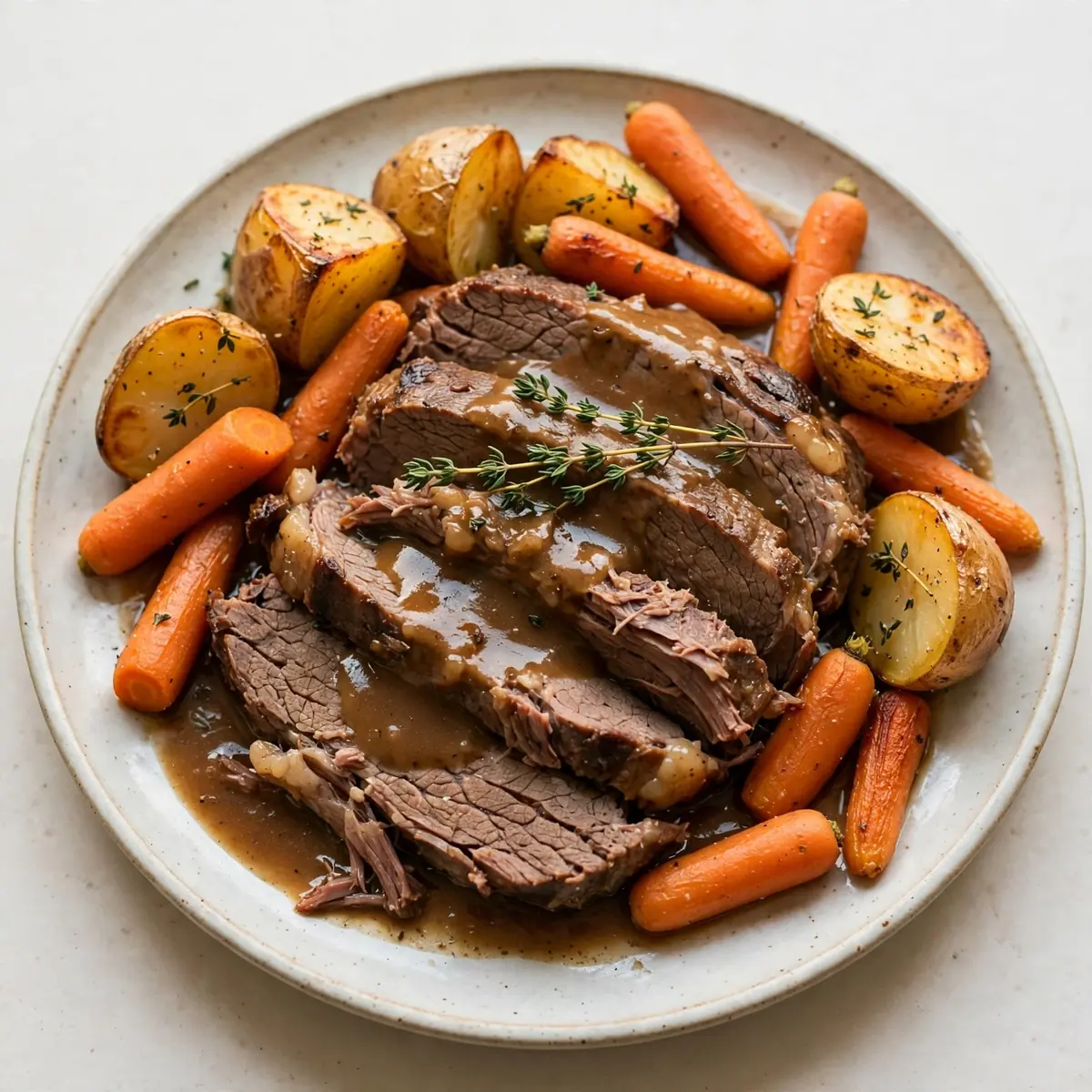
I’ve found that a big, slow-cooked pot roast is one of the smartest ways to feed a family on a budget without spending hours in the kitchen every night. This Classic American Pot Roast with Carrots and Potatoes is my go-to for Sunday meal prep, giving us tender meat and vegetables for dinner, plus lunches and a second meal later in the week.
Recipe Overview
- Prep Time: 20 minutes
- Cook Time: 3 hours 30 minutes
- Total Time: 3 hours 50 minutes
- Servings: 8 generous portions
- Difficulty: Easy
Why You’ll Love This Classic American Pot Roast with Carrots and Potatoes
- Budget-friendly batch cooking: One joint of beef stretches to feed a family for multiple meals, keeping your grocery bill low.
- Hands-off cooking method: Once everything is in the pot, the oven does all the work while you get on with your day.
- Freezes beautifully: The gravy keeps the meat moist after thawing, so leftovers taste as good as the first serving.
- Built-in vegetables: Carrots and potatoes cook right alongside the beef, meaning you don’t need to prepare a separate side dish.
- Cost per serving: When I worked it out, this meal comes to roughly £2.50 per portion, depending on your beef cut and where you shop.
Ingredients You’ll Need
- 1.5 kg beef chuck or brisket, trimmed of excess fat
- 2 tablespoons vegetable oil
- 2 large onions, roughly chopped
- 4 cloves garlic, minced
- 3 tablespoons tomato purée
- 500 ml beef stock (low salt if possible)
- 2 tablespoons Worcestershire sauce
- 2 bay leaves
- 4 sprigs fresh thyme
- 1 teaspoon salt
- ½ teaspoon black pepper
- 6 medium carrots, peeled and cut into 5cm chunks
- 800 g waxy potatoes, peeled and halved (or quartered if large)
- 2 tablespoons cornflour mixed with 3 tablespoons cold water (for thickening)
Tip: Buy the largest joint of beef you can afford when it’s on offer — I often pick up a 2kg piece and freeze half of the cooked meat for another week’s meals.
How to Make Classic American Pot Roast with Carrots and Potatoes
- Sear the beef: Pat the beef dry with kitchen paper, then season all over with salt and pepper. Heat the oil in a large, heavy-based casserole dish over medium-high heat until it shimmers. Add the beef and sear for 4-5 minutes on each side until a deep, dark brown crust forms. You should hear a steady sizzle — if it’s silent, the pan isn’t hot enough. The smell at this stage is rich and meaty, promising good things to come.
- Sweat the aromatics: Remove the beef to a plate. Reduce the heat to medium and add the chopped onions. Stir them around, scraping up the browned bits from the bottom of the pan. Cook for 5-6 minutes until the onions turn translucent and soft, with a sweet, savoury aroma. Add the garlic and tomato purée, stirring for another minute until the purée darkens to a rusty red colour.
- Build the braising liquid: Pour in the beef stock and Worcestershire sauce, stirring well. Drop in the bay leaves and thyme sprigs. Bring the liquid to a gentle simmer — you’ll see small bubbles breaking the surface, but no vigorous boiling. Return the beef to the pot, nestling it into the liquid. The liquid should come about halfway up the side of the meat.
- Start the long cook: Put a tight-fitting lid on the casserole dish and transfer it to an oven preheated to 160°C (140°C fan). Let it cook undisturbed for 2 hours. Your kitchen will gradually fill with a deep, savoury fragrance that tells you something wonderful is happening inside that pot.
- Add the vegetables: After 2 hours, remove the pot from the oven and add the carrot chunks and potato halves, pushing them down into the liquid so they’re mostly submerged. The meat should look tender enough that a fork slides in with only slight resistance. Replace the lid and return to the oven for another 1 hour 15 minutes.
- Thicken the gravy: Carefully lift the beef and vegetables onto a serving platter and cover loosely with foil. Place the pot on the hob over medium heat. Whisk in the cornflour slurry and let it bubble for 2-3 minutes until the gravy thickens to a silky, coat-the-spoon consistency. The colour should be a rich mahogany brown, and the texture should feel smooth when you stir it.
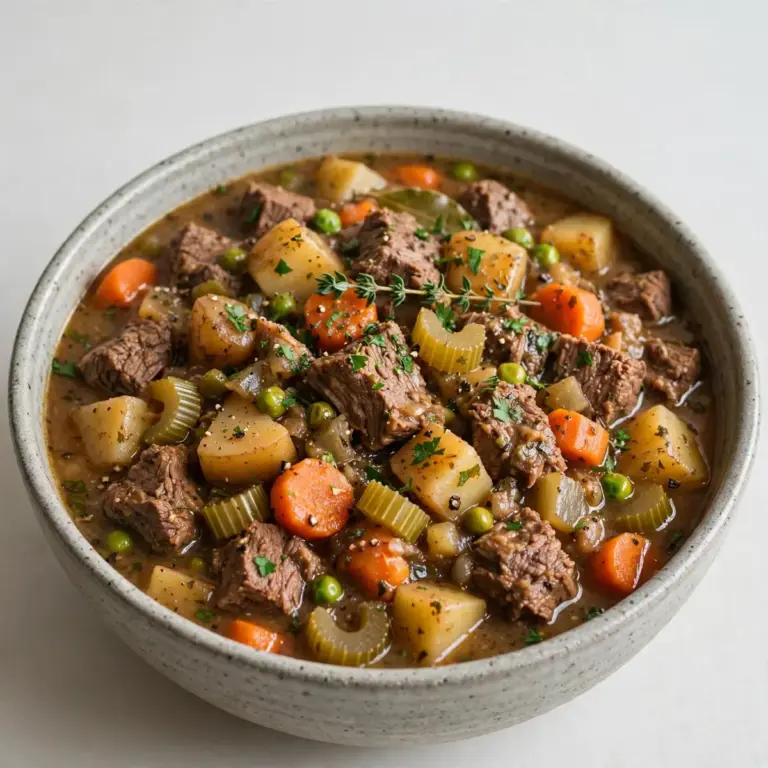
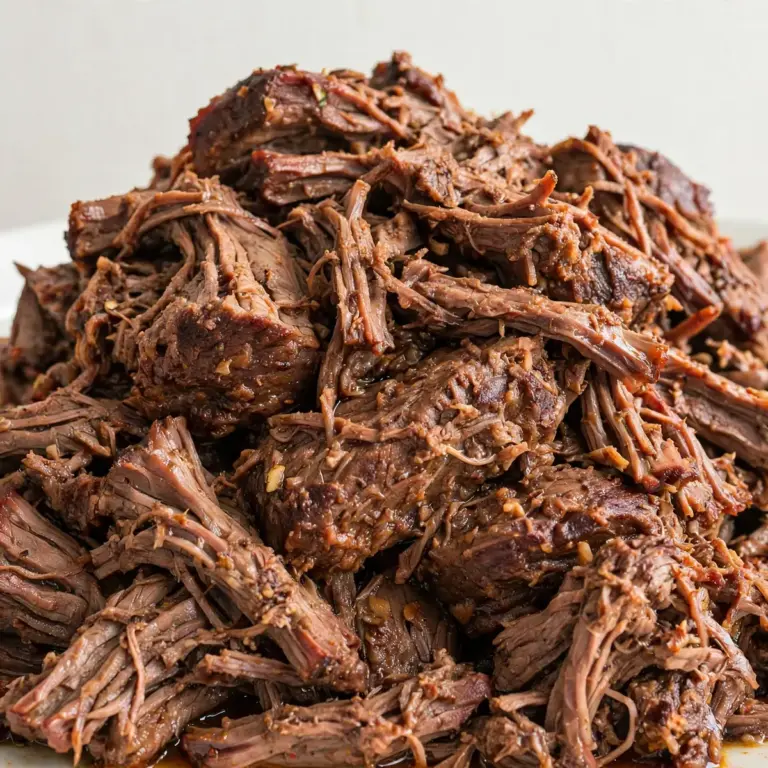
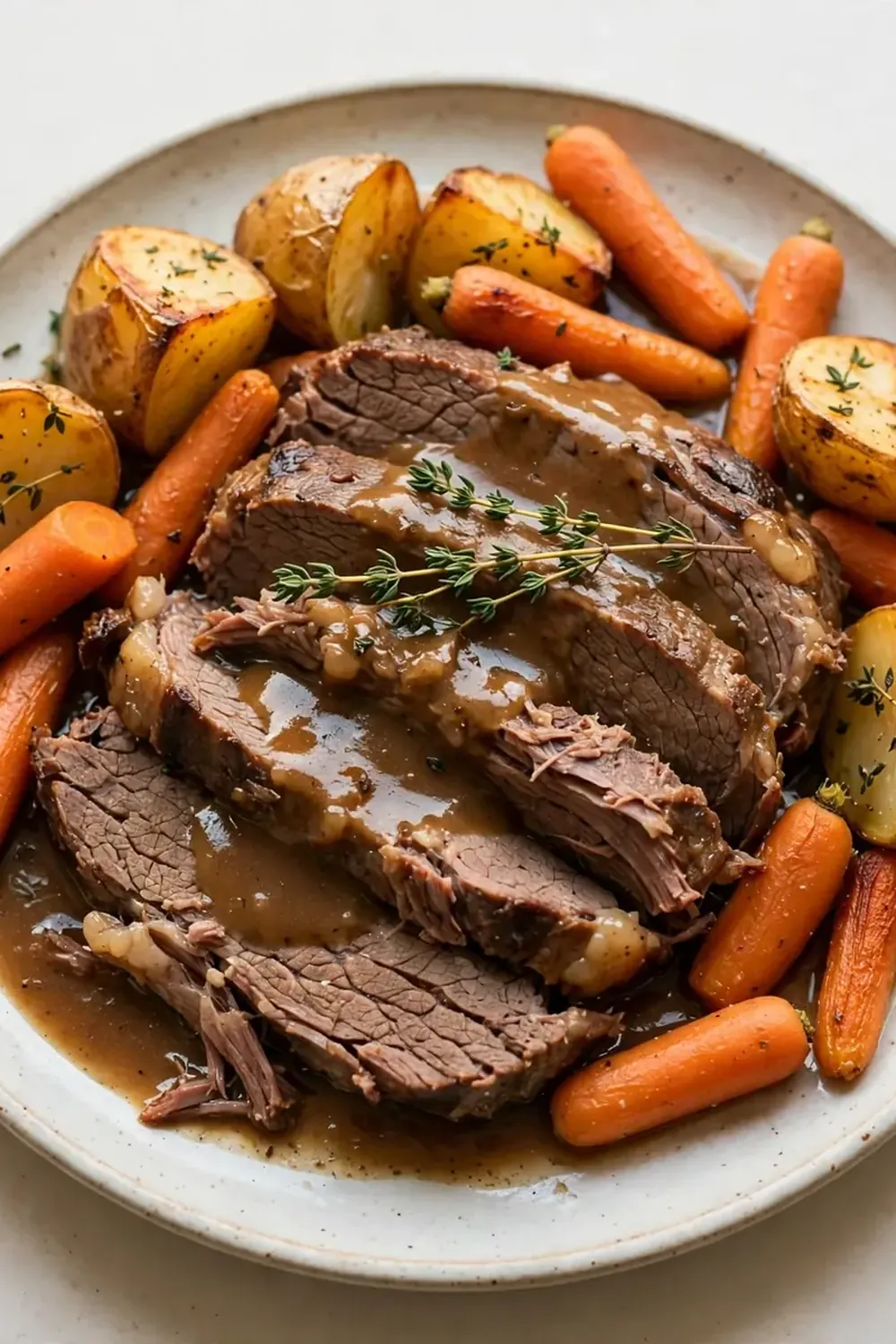
- Rest and serve: Let the beef rest for 10 minutes before slicing against the grain into thick pieces. Spoon the gravy over the meat and vegetables. The beef should pull apart easily with a fork, and the carrots should be tender enough to cut with the side of your spoon.
Tips From My Kitchen
- Choose the right cut of beef: Chuck or brisket are ideal because they have enough connective tissue that breaks down during long cooking, creating that fork-tender texture. Leaner cuts like topside will turn out dry and stringy no matter how long you cook them. Look for marbling throughout the meat — those little streaks of fat are what keep the beef moist.
- Don’t skip the searing step: Browning the meat isn’t just about appearance. The heat triggers the Maillard reaction, creating hundreds of flavour compounds that deepen the taste of the entire dish. A pale, unseared piece of beef will produce a gravy that tastes flat and one-dimensional.
- Add potatoes and carrots at the right time: If you add them at the start, they’ll turn to mush after three hours of cooking. Adding them halfway through means they absorb the beefy flavour from the gravy while keeping their shape and texture. I learned this the hard way after serving what looked like vegetable soup one Sunday.
- Cool leftovers properly for meal prep: Divide the meat and vegetables into portion-sized containers, then pour the gravy over the top before sealing. Leave the lids slightly open until the food has cooled to room temperature (no more than 2 hours), then refrigerate or freeze. This prevents condensation from making the meat soggy.
- Reheat gently to preserve texture: The microwave works in a pinch, but for best results, reheat portions in a saucepan over low heat with a splash of extra stock or water. Cover the pan and let it warm through slowly for 8-10 minutes. The meat stays tender and the gravy regains its silky consistency rather than splitting.
- Make the gravy in advance if you’re short on time: You can prepare the base gravy (steps 1-3) the night before, refrigerate it with the seared beef, then continue with step 4 the next day. This actually gives the flavours more time to meld together.
Delicious Variations to Try
- Spicy Version: Add 2 chopped chipotle peppers in adobo sauce along with the tomato purée, and toss in a teaspoon of smoked paprika. The smoky heat cuts through the richness of the beef beautifully. My husband, who’s usually picky, asked for seconds when I tried this version.
- Vegetarian/Vegan Option: Substitute the beef with 1 kg of portobello mushroom caps and swap the beef stock for a rich vegetable stock. Omit the Worcestershire sauce or use a vegan version. Cook for 1 hour 30 minutes total, as mushrooms break down more quickly than beef.
- Different Protein: Use a whole chicken (about 1.8 kg) in place of the beef. Reduce the initial cooking time to 1 hour before adding the vegetables, then cook for another 45 minutes. The chicken will be fall-apart tender and the gravy will have a lighter flavour. I stumbled upon this combination by accident, and it’s been a hit ever since.
What to Serve With Classic American Pot Roast with Carrots and Potatoes
- Buttered peas or green beans for a pop of colour
- Crusty bread to mop up every last drop of gravy
- A simple green salad with a sharp vinaigrette to cut through the richness
- Mashed swede or parsnips if you want extra root vegetables
Still hungry for ideas? You might also love Instant Pot Pot Roast Classic Flavors, Slow Braised Juicy French Onion Pot Roast Recipe from our sister kitchens.
Frequently Asked Questions
Classic American Pot Roast with Carrots and Potatoes
Ingredients
Method
-
Sear the beef: Pat the beef dry with kitchen paper, then season all over with salt and pepper. Heat the oil in a large, heavy-based casserole dish over medium-high heat until it shimmers. Add the beef and sear for 4-5 minutes on each side until a deep, dark brown crust forms. You should hear a steady sizzle — if it’s silent, the pan isn’t hot enough. The smell at this stage is rich and meaty, promising good things to come.
-
Sweat the aromatics: Remove the beef to a plate. Reduce the heat to medium and add the chopped onions. Stir them around, scraping up the browned bits from the bottom of the pan. Cook for 5-6 minutes until the onions turn translucent and soft, with a sweet, savoury aroma. Add the garlic and tomato purée, stirring for another minute until the purée darkens to a rusty red colour.
-
Build the braising liquid: Pour in the beef stock and Worcestershire sauce, stirring well. Drop in the bay leaves and thyme sprigs. Bring the liquid to a gentle simmer — you’ll see small bubbles breaking the surface, but no vigorous boiling. Return the beef to the pot, nestling it into the liquid. The liquid should come about halfway up the side of the meat.
-
Start the long cook: Put a tight-fitting lid on the casserole dish and transfer it to an oven preheated to 160°C (140°C fan). Let it cook undisturbed for 2 hours. Your kitchen will gradually fill with a deep, savoury fragrance that tells you something wonderful is happening inside that pot.
-
Add the vegetables: After 2 hours, remove the pot from the oven and add the carrot chunks and potato halves, pushing them down into the liquid so they’re mostly submerged. The meat should look tender enough that a fork slides in with only slight resistance. Replace the lid and return to the oven for another 1 hour 15 minutes.
-
Thicken the gravy: Carefully lift the beef and vegetables onto a serving platter and cover loosely with foil. Place the pot on the hob over medium heat. Whisk in the cornflour slurry and let it bubble for 2-3 minutes until the gravy thickens to a silky, coat-the-spoon consistency. The colour should be a rich mahogany brown, and the texture should feel smooth when you stir it.
-
Rest and serve: Let the beef rest for 10 minutes before slicing against the grain into thick pieces. Spoon the gravy over the meat and vegetables. The beef should pull apart easily with a fork, and the carrots should be tender enough to cut with the side of your spoon.
Notes
I’d love to hear how you get on with this one. If you try it, come back and let me know in the comments — especially if you’ve found your own twist that works well for meal prep. And if you’re looking for another budget-friendly way to use beef, you might enjoy these Ground Beef Stuffed Zucchini Boats or this Spicy Korean Beef Bulgogi Bowls for a change of flavour later in the week.