Baked Cod With Parmesan Crust
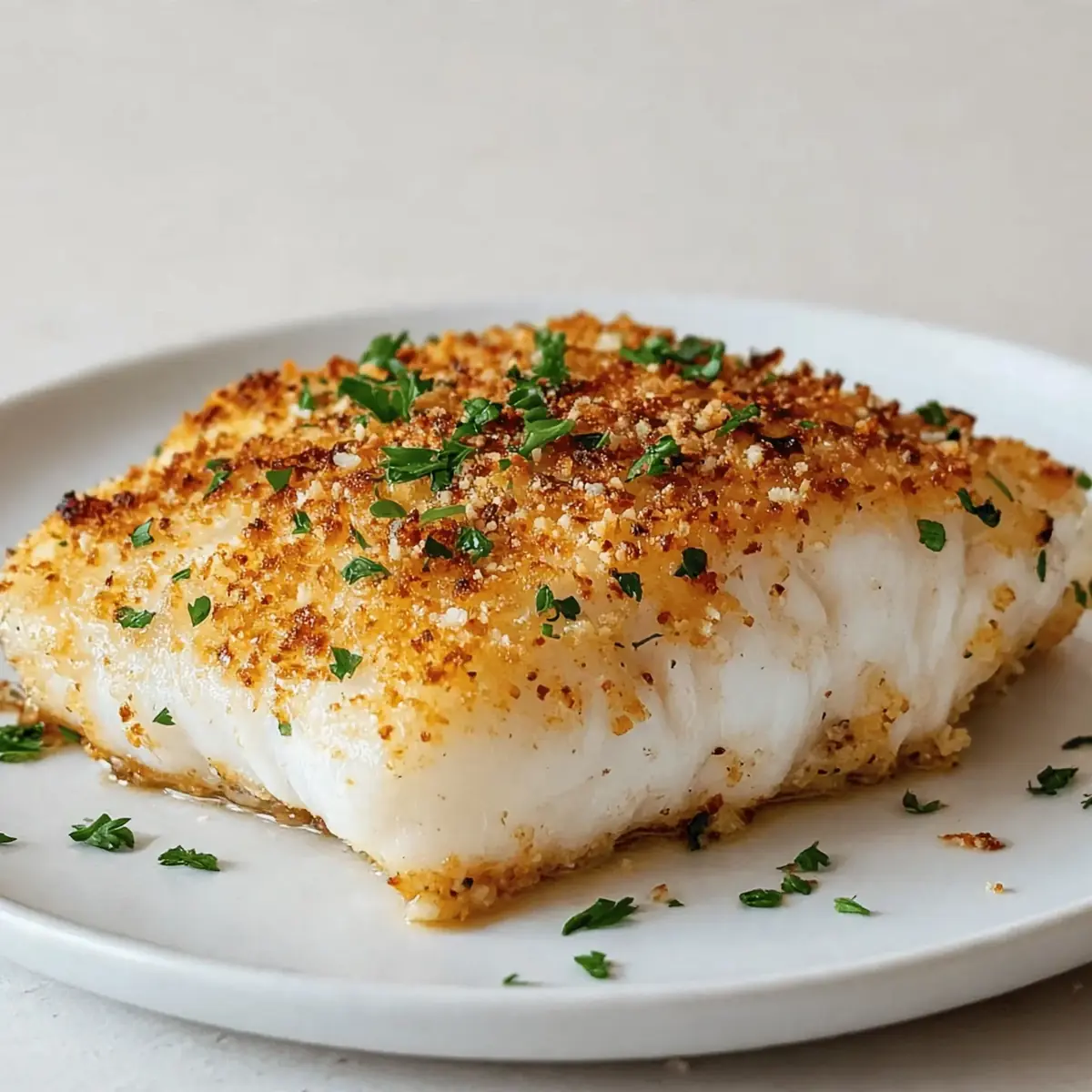
I remember the exact moment I realised my weekly food budget was haemorrhaging cash on expensive, unsatisfying takeaway. That realisation led me straight to my freezer, a bag of frozen cod fillets, and a desperate hope that I could create something genuinely delicious without breaking the bank. This Baked Cod with Parmesan Crust was born from that thrifty mindset, and it’s since become my secret weapon for affordable, batch-cooked meals that taste like a splurge.
Recipe Overview
- Prep Time: 10 minutes
- Cook Time: 20 minutes
- Total Time: 30 minutes
- Servings: 4 (easily doubled for meal prep)
- Difficulty: Easy
Why You’ll Love This Baked Cod with Parmesan Crust
- Budget-friendly batch cooking: At roughly £2.50 per serving, this recipe stretches your grocery budget while delivering restaurant-quality flavour. I make this at least once a week – it’s become a family favourite.
- Freezer-friendly leftovers: The crust stays remarkably crisp after freezing and reheating, which is rare for baked fish. You can cook a double batch on Sunday and enjoy effortless lunches all week.
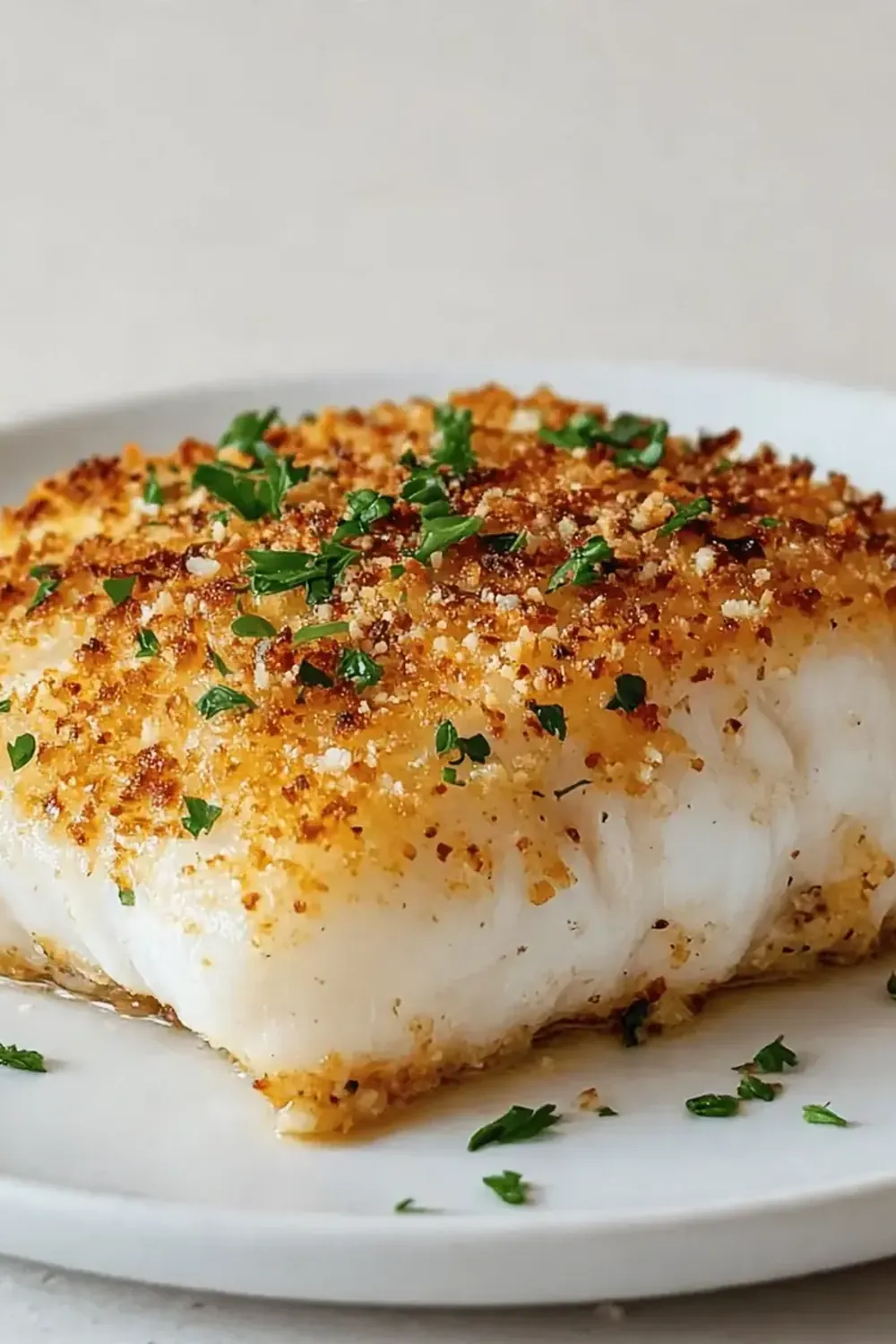
- No soggy fish here: The parmesan and panko crust creates a protective barrier that locks in moisture while baking. Every bite has a golden, crunchy exterior and flaky, tender fish inside.
- Quick enough for a weeknight: From fridge to table in under 30 minutes, this recipe fits neatly into busy schedules. The active prep work takes less than ten minutes.
- Naturally low-carb and high-protein: Each serving packs around 35 grams of protein with minimal carbohydrates, making it ideal for balanced meal planning.
Ingredients You’ll Need
- 4 cod fillets (about 150g each), fresh or frozen and thawed
- 60g panko breadcrumbs
- 50g finely grated parmesan cheese
- 3 tablespoons unsalted butter, melted
- 2 tablespoons mayonnaise
- 1 tablespoon Dijon mustard
- 1 teaspoon garlic powder
- 1 teaspoon lemon zest
- 1 tablespoon fresh lemon juice
- 1 teaspoon paprika
- Salt and freshly ground black pepper, to taste
- Fresh parsley, chopped (for garnish)
- Lemon wedges, for serving
Tip: For the best value, buy frozen cod fillets in bulk bags. Thaw them overnight in the fridge, then pat them very dry with kitchen paper before using — this step is crucial for a crisp crust.
How to Make Baked Cod with Parmesan Crust
- Preheat your oven to 200°C (fan-assisted) or 220°C conventional. Line a 9×13 inch baking dish with aluminium foil and lightly grease it. The oven should be fully hot before the fish goes in — you want that initial blast of heat to set the crust.
- Pat the cod fillets dry with kitchen paper until they feel tacky rather than wet. Season both sides generously with salt and pepper. The fish should look matte and feel firm to the touch, with no visible glistening moisture.
- Mix the wet ingredients in a small bowl: combine the melted butter, mayonnaise, Dijon mustard, lemon juice, and garlic powder. Stir until the mixture is smooth, pale yellow, and smells tangy and rich. It should have a thick, spoonable consistency.
- Prepare the crust mixture in a separate shallow dish: stir together the panko breadcrumbs, grated parmesan, lemon zest, and paprika. The mixture should look golden and smell nutty and cheesy. Pinch some between your fingers — it should feel dry and crumbly, not clumpy.
- Coat the fillets by brushing each one generously with the butter-mayonnaise mixture on all sides. Then press the coated fillet firmly into the breadcrumb mixture, turning to coat evenly. You should see a thick, even layer of crumbs adhering to the fish — the surface will look textured and speckled with green flecks of zest.
- Arrange the coated fillets in the prepared baking dish, leaving at least 2cm of space between each one. If they’re touching, the crust will steam rather than crisp. The fillets should sit flat and look like little golden pillows in the dish.
- Bake for 18-20 minutes, or until the crust is deep golden brown and the fish flakes easily when tested with a fork. At the 15-minute mark, check the colour — the crust should be turning a rich amber. The kitchen will smell of toasted parmesan and warm butter. If the top is browning too quickly, tent loosely with foil for the final minutes.
- Rest for 3 minutes after removing from the oven. The fish will continue cooking slightly, and the crust will set and become even crunchier. Garnish with fresh parsley and serve immediately with lemon wedges.
Tips From My Kitchen
- Pat the fish extraordinarily dry: Moisture is the enemy of a crisp crust. After patting the fillets dry, let them sit on a paper-towel-lined plate for five minutes, then pat them again. Any water on the surface will steam and make the crust soggy before it has a chance to brown.
- Use freshly grated parmesan, not the pre-shredded stuff: Pre-grated parmesan contains anti-caking agents that prevent it from melting properly and adhering to the crust. Grate a block yourself — the texture will be powdery and fine, which helps it blend seamlessly with the breadcrumbs.
- Don’t skip the mayonnaise in the coating: I stumbled upon this combination by accident, and it’s been a hit ever since. Mayonnaise might seem unusual, but it’s mostly oil and egg, which means it bakes into a golden, crispy crust while keeping the fish incredibly moist. The butter adds flavour, but the mayonnaise is the texture secret.
- Space the fillets out generously: Overcrowding traps steam, which softens the crust and can make the fish cook unevenly. If you’re batch-cooking for meal prep, use two baking dishes or bake in batches. The extra five minutes is worth it for perfectly crisp results.
- Double the crust mixture for meal prep: When I’m batch-cooking, I make double the breadcrumb mixture and store half in the fridge. Then I can prep a second batch of fish in minutes later in the week. The dry mixture keeps well for up to five days in an airtight container.
- Use frozen cod straight from the bag for savings: Frozen fish is often cheaper and just as good as fresh if thawed properly. Thaw overnight in the fridge, never in the microwave, which can partially cook the edges and make the texture uneven. The fillets should feel cold but pliable, not icy or warm.
Equipment You’ll Need
- 9×13 inch baking dish
- Aluminium foil
- Mixing bowls (one small, one shallow)
- Sharp knife
- Pastry brush or silicone brush
- Kitchen paper
- Box grater (for fresh parmesan)
- Zester or microplane
Common Mistakes to Avoid
- Overcrowding the pan: When fillets are packed tightly together, they release steam that gets trapped between them, softening the crust into a damp, pale mess. Always leave at least 2cm of space around each fillet so hot air can circulate freely and keep the coating crunchy.
- Wrong temperature: Baking at too low a temperature (below 190°C) will dry out the fish before the crust browns, leaving you with tough, overcooked cod. Too high (above 230°C) will burn the parmesan before the fish cooks through. Stick to 200°C fan-assisted for a golden crust and perfectly flaky interior.
- Skipping the rest time: Pulling the fish straight from the oven to the plate means the crust can slide off in one sad, greasy sheet. Letting it rest for three minutes allows the crust to adhere firmly to the fish and the juices to redistribute, so each bite stays intact and moist.
- Using wet fish: If you skip the drying step, the coating will slide right off during baking. The moisture creates a barrier between the fish and the crust, resulting in a patchy, uneven coating that doesn’t crisp properly.
Delicious Variations to Try
- Spicy Version: Add 1 teaspoon of cayenne pepper or smoked chipotle powder to the breadcrumb mixture. For extra heat, drizzle the finished fish with a little hot sauce before serving. The smoky heat pairs beautifully with the nutty parmesan.
- Vegetarian/Vegan Option: Substitute the cod with thick slices of firm tofu or portobello mushroom caps. Use a vegan parmesan alternative (available in most supermarkets) and replace the mayonnaise with vegan mayo. The cooking time remains roughly the same — check for golden crust and tender interior.
- Different Protein: This crust works brilliantly on other white fish like haddock, pollock, or tilapia. For a heartier option, try it on chicken breasts — increase the baking time to 25-30 minutes and check the internal temperature reaches 74°C. The crust adapts beautifully to both options.
What to Serve With Baked Cod with Parmesan Crust
- Steamed tenderstem broccoli or green beans tossed with lemon and butter
- A simple rocket and parmesan salad with a light vinaigrette
- Fluffy couscous or quinoa to soak up any buttery juices
- Roasted baby potatoes or sweet potato wedges for a heartier meal
- For a full meal-prep bowl, pair it with Lemon Garlic Baked Chicken Legs for a protein-packed week of lunches
Still hungry for ideas? You might also love High Protein Baked Cod And Rice Meal Prep, Baked Cod In Coconut Lemon Cream Sauce from our sister kitchens.
Frequently Asked Questions
Baked Cod with Parmesan Crust
Ingredients
Method
-
Preheat your oven to 200°C (fan-assisted) or 220°C conventional. Line a 9×13 inch baking dish with aluminium foil and lightly grease it. The oven should be fully hot before the fish goes in — you want that initial blast of heat to set the crust.
-
Pat the cod fillets dry with kitchen paper until they feel tacky rather than wet. Season both sides generously with salt and pepper. The fish should look matte and feel firm to the touch, with no visible glistening moisture.
-
Mix the wet ingredients in a small bowl: combine the melted butter, mayonnaise, Dijon mustard, lemon juice, and garlic powder. Stir until the mixture is smooth, pale yellow, and smells tangy and rich. It should have a thick, spoonable consistency.
-
Prepare the crust mixture in a separate shallow dish: stir together the panko breadcrumbs, grated parmesan, lemon zest, and paprika. The mixture should look golden and smell nutty and cheesy. Pinch some between your fingers — it should feel dry and crumbly, not clumpy.
-
Coat the fillets by brushing each one generously with the butter-mayonnaise mixture on all sides. Then press the coated fillet firmly into the breadcrumb mixture, turning to coat evenly. You should see a thick, even layer of crumbs adhering to the fish — the surface will look textured and speckled with green flecks of zest.
-
Arrange the coated fillets in the prepared baking dish, leaving at least 2cm of space between each one. If they’re touching, the crust will steam rather than crisp. The fillets should sit flat and look like little golden pillows in the dish.
-
Bake for 18-20 minutes, or until the crust is deep golden brown and the fish flakes easily when tested with a fork. At the 15-minute mark, check the colour — the crust should be turning a rich amber. The kitchen will smell of toasted parmesan and warm butter. If the top is browning too quickly, tent loosely with foil for the final minutes.
-
Rest for 3 minutes after removing from the oven. The fish will continue cooking slightly, and the crust will set and become even crunchier. Garnish with fresh parsley and serve immediately with lemon wedges.
Notes
I’d love to hear how this budget-friendly baked cod works for your meal prep. Have you tried it with different seasonings or proteins? Drop a comment below and share your favourite variations — I’m always looking for new ideas to stretch my grocery budget further. And if you’re in the mood for another affordable, batch-friendly dish, check out Slow Cooker Beef And Vegetable Stew for a warming winter staple that costs pennies per serving.